The Hurricane Center named Josephine yesterday, the 10th named storm of the 2026 season.
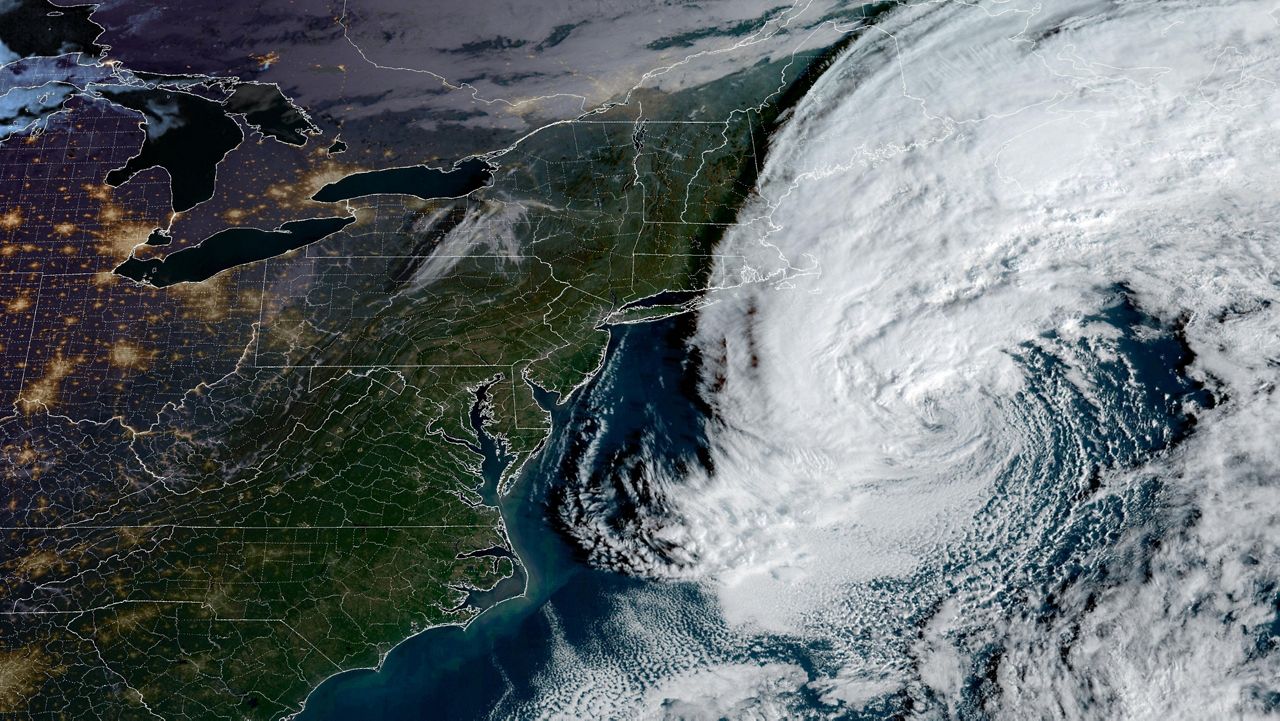
Josephine will never make landfall. Its center sat 200 miles south of Nantucket this morning, racing out to sea, and the whole coast is feeling it. Life-threatening surf and rip currents run the whole coast, flooding rides the high tides, the Outer Banks could see one to four feet of water with surf to 14 feet, and Nantucket gusts could pass 50 mph today. All from a storm that stays out at sea.
On November 12, at the CAC Florida Climate Conference, we take storms like this apart, what a changing ocean is doing to them, and what a community does about it.
So why subtropical? A true tropical storm is a warm-core engine, thunderstorms wrapped tight around the center, powered by warm ocean water. A subtropical storm is a hybrid, part tropical storm, part nor’easter. Cooler air aloft, energy drawn partly from temperature contrasts like a winter storm, winds spread wide instead of concentrated. That wide build is why Josephine’s reach is so long.
Here is the surprise. Tonight into Friday, Josephine merges with a cold trough, becomes an extratropical ocean storm, and the models agree a band of hurricane-force winds, 74 mph and up, wraps around it. It will never count as a hurricane, because hurricane describes a storm’s structure, not its wind speed. Our 2026 hurricane count stays at one, Isaias.
But named storms are what we forecast. In April the Climate Adaptation Center called for 12 named storms, in the teeth of the strongest El Niño ever measured, when shear was supposed to shut the Atlantic down. Josephine makes ten, and the season runs to November 30. Ten down, two to go, and still very much possible.
If a storm can flood your street and throw hurricane-force winds without earning the name hurricane, should we judge a storm by what it is called, or by what it can do?
Tickets for the November 12 conference, From Climate Risk to Climate Resilience, Selby Auditorium, Sarasota: https://tinyurl.com/2aplfprg
Bob Bunting, CEO, Climate Adaptation Center