Florida Issues in a Changing Climate

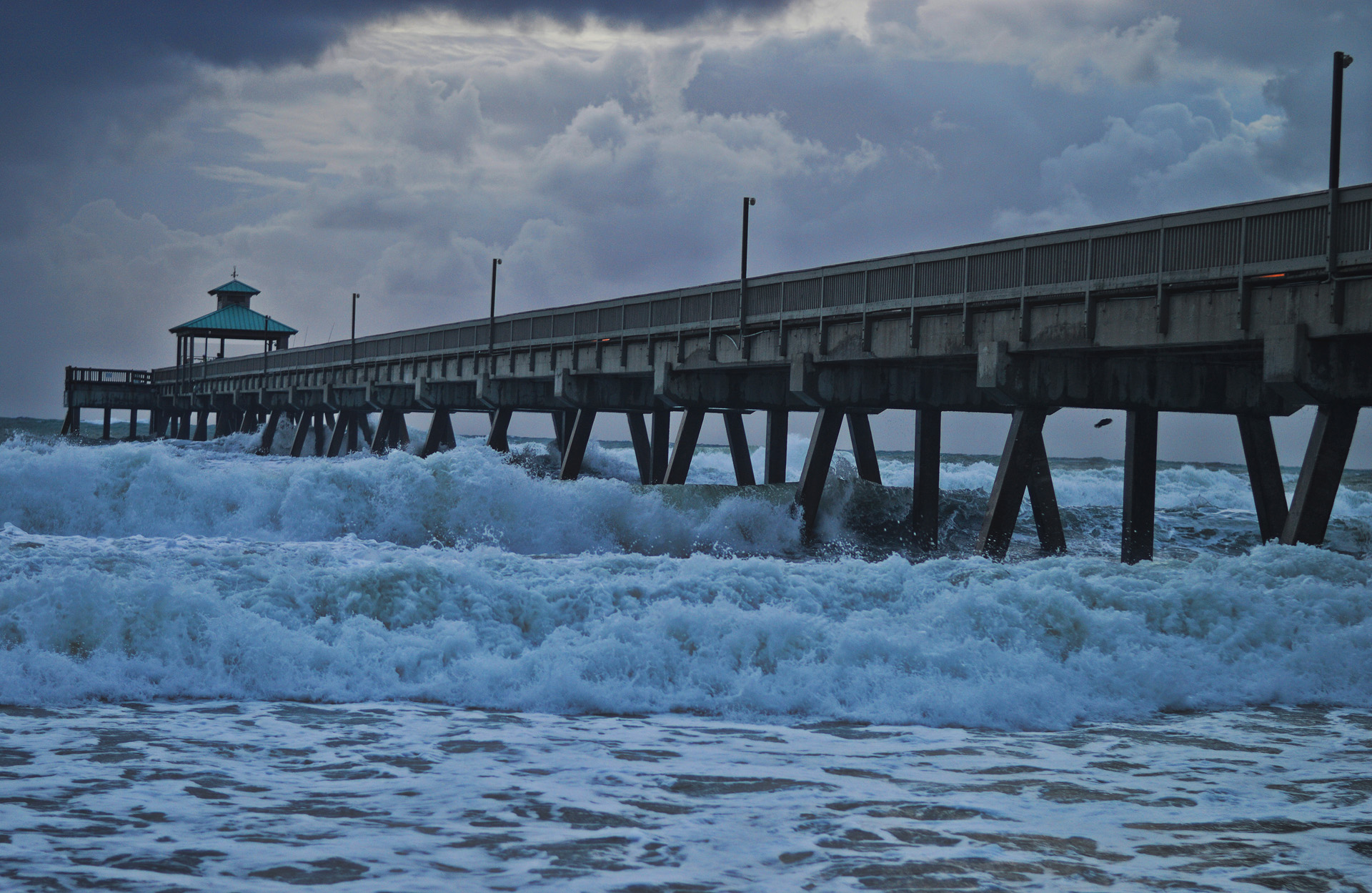
Climate warming is causing sea level to rise at an increasing rate, primarily a consequence of melting polar ice caps and thermal expansion of the warming ocean. Florida sea level rise is further increased by freshwater ice melt in the arctic slowing the Gulf Stream. By 2050, sea level at St. Petersburg is projected to be over a foot higher than it is in 2020. Tidal flooding will increase in tandem, along with further saltwater intrusion into Florida’s porous limestone bedrock.

LEARN MORE

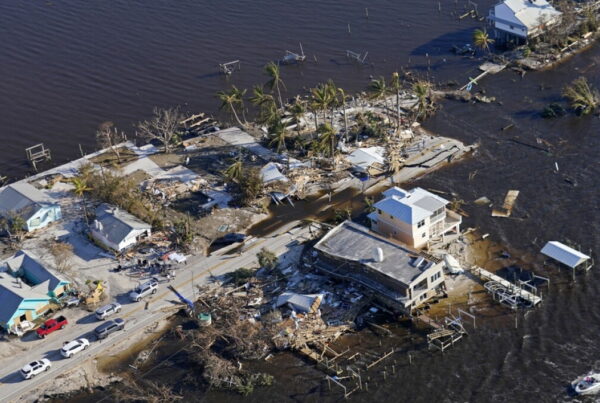
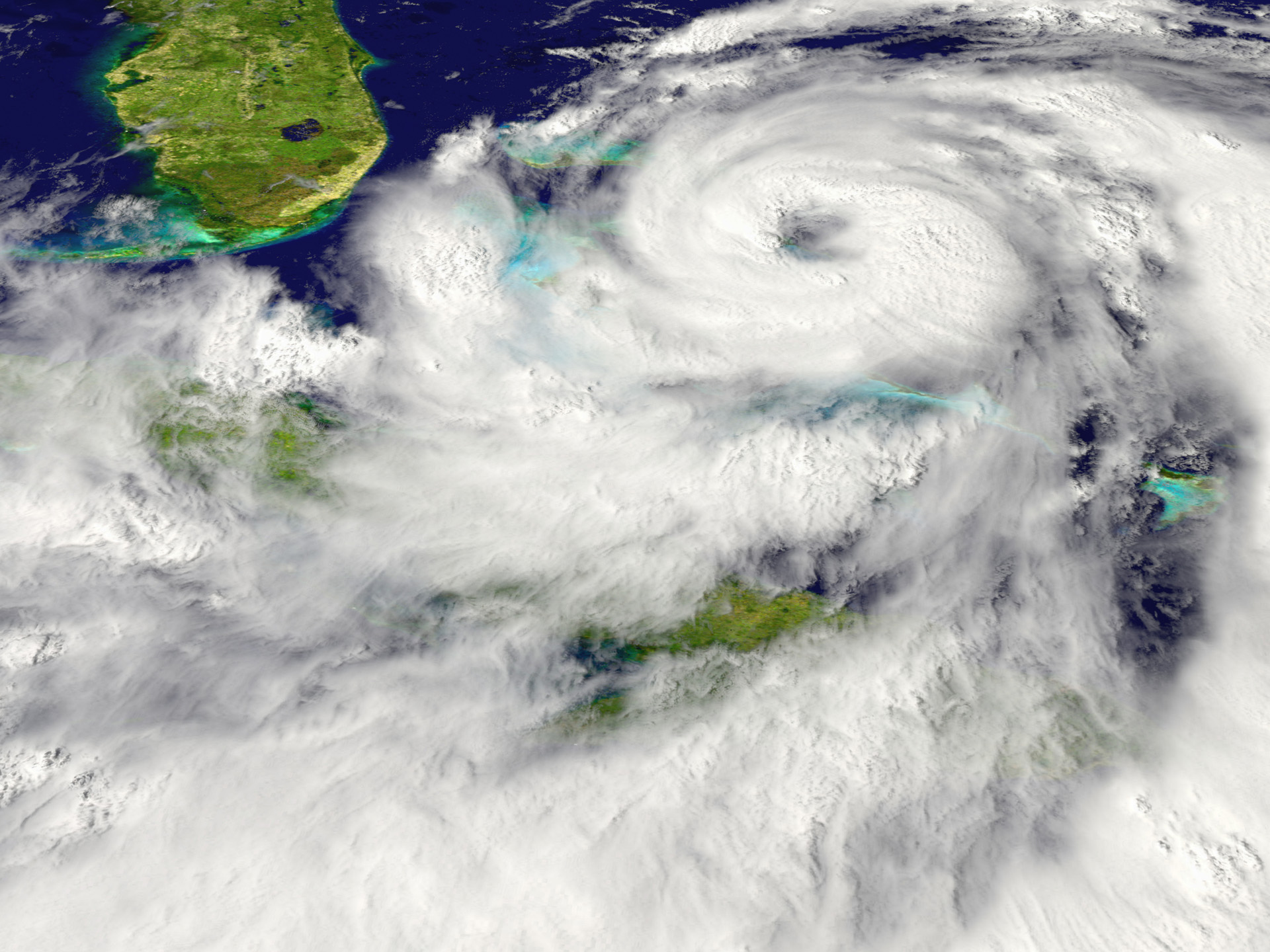
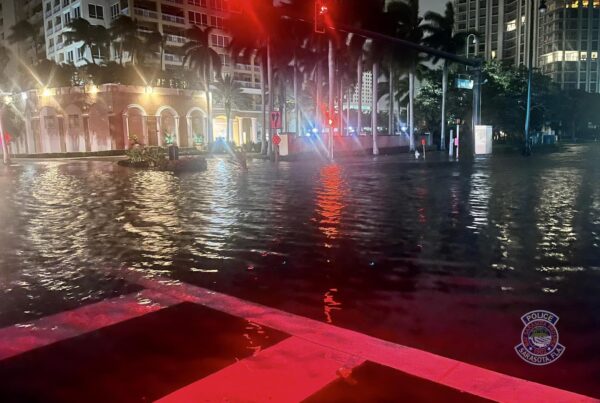
While hurricanes have always been a part of Florida’s weather, climate warming appears to be changing the behavior of hurricanes, with increasing numbers of intense hurricanes with higher wind speed and greater precipitation. Hurricane Harvey in 2017, for example, would have been a once in a hundred years precipitation event in the historical record. In today’s warming climate, destructive storms like Harvey are now a once in sixteen years event. Protecting Florida’s coastal communities will be an increasingly critical issue in the future.

LEARN MORE

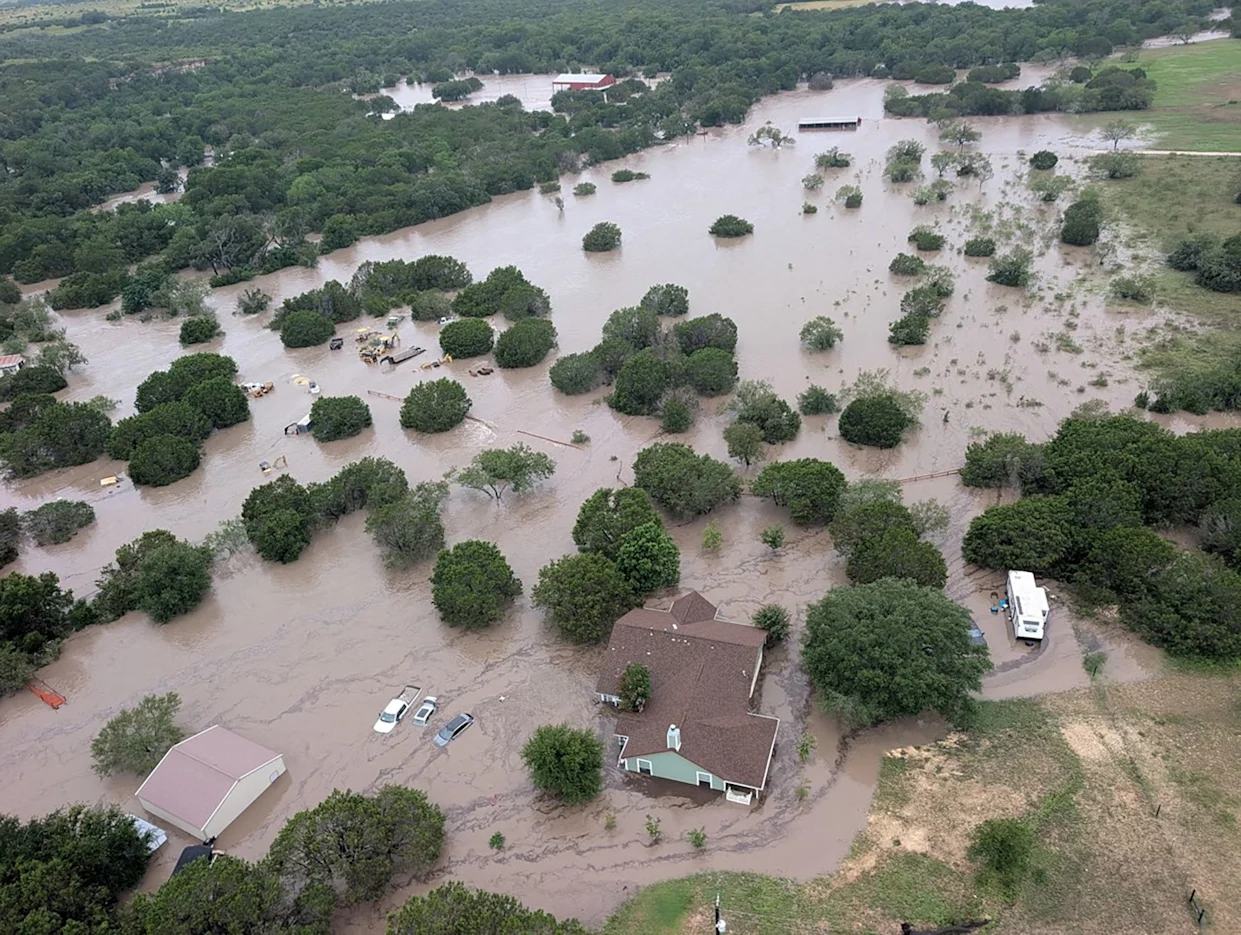
Climate change is warming the atmosphere, and we know that a warmer atmosphere can hold more water: 7% more for every celsius degree of warming. That water originates as evaporation from land areas and oceans, with about 86% of evaporation occurring over the oceans and evaporation from oceans is accelerating as the oceans heat up. The result is a thirstier atmosphere absorbing rapidly evaporating water. Storms forming over warm oceans can carry a stunning quantity of water, leading to extreme rainfall as the storms move over land.

LEARN MORE

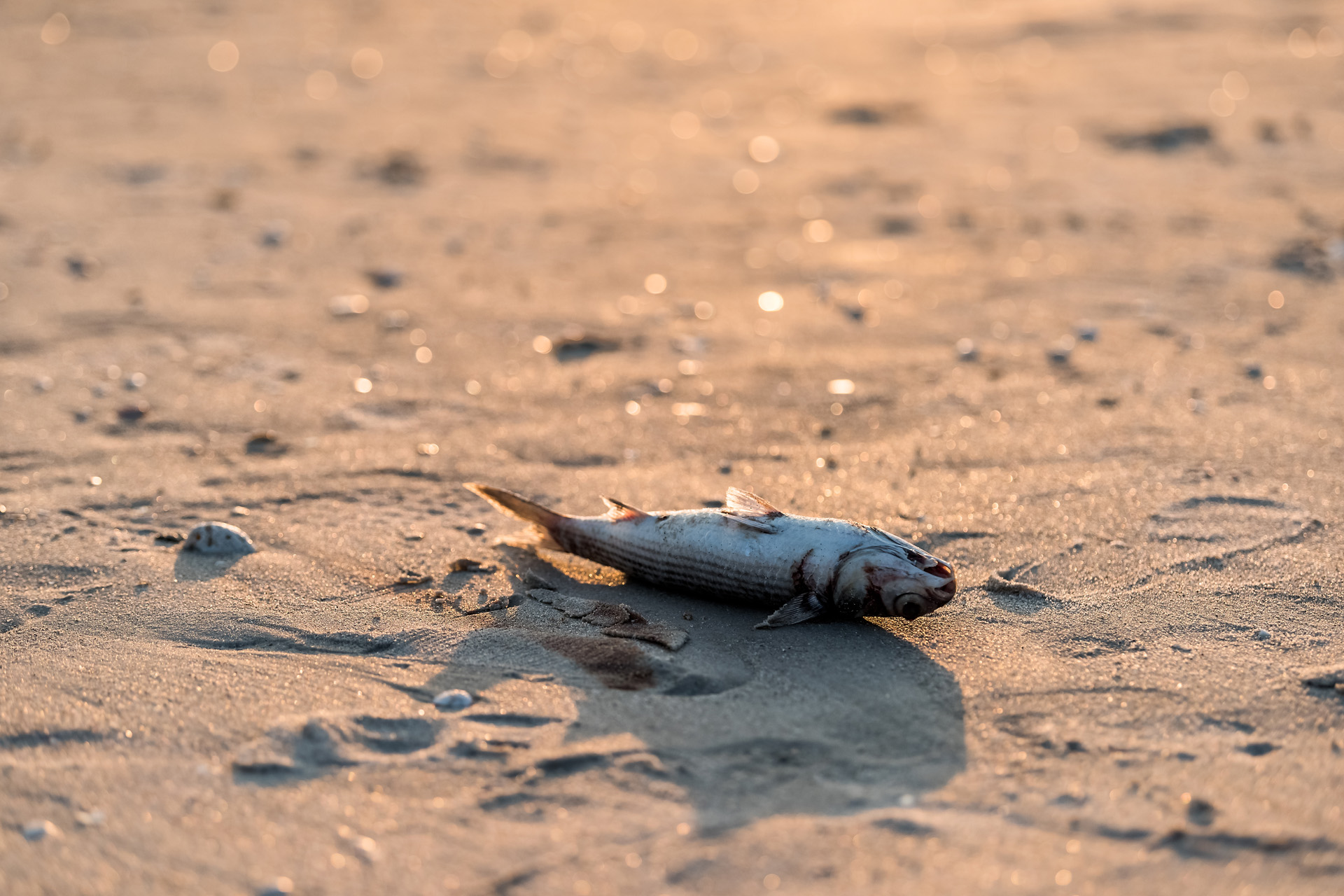
Toxic algal blooms are becoming increasingly common in Florida, a trend largely driven by nitrogen-rich fertilizer that finds its way to the ocean, accelerating algae growth. Climate warming exacerbates the problem, with extreme precipitation washing greater quantities of nitrogen into the ocean, warm water and higher levels of carbon dioxide stimulating algae growth, and sea level rise adding more shallow, warm water along the coast.

LEARN MORE

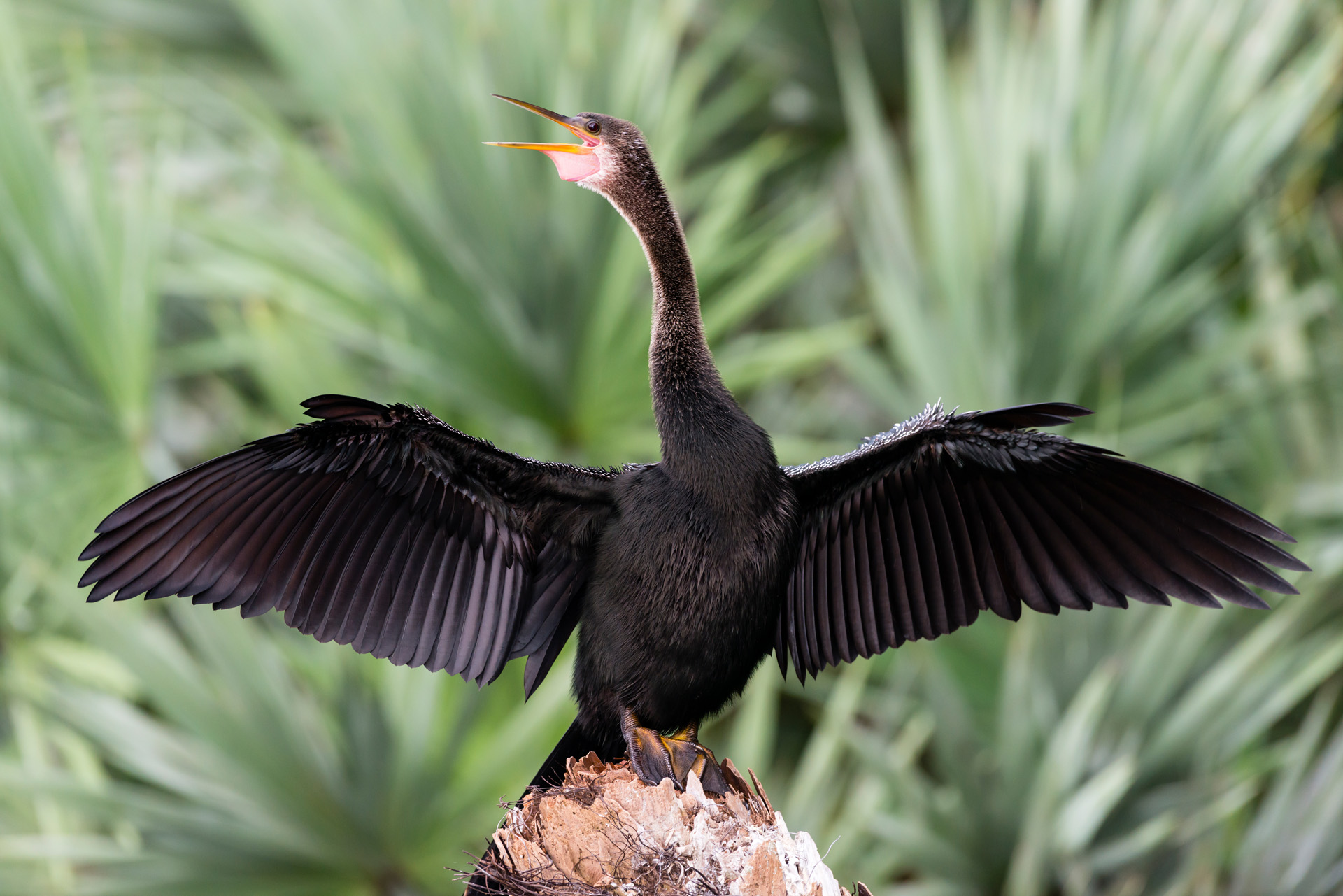
In the past, Florida’s exceptionally diverse ecosystems and species have developed and adapted slowly, in concert with natural changes in climate. However, rapid human modification of the landscape has put ecosystems under stress, rendering them less resilient to today’s much faster rates of climate change. Sea level rise will reduce the remaining habitat of many species in coastal ecosystems, while the warming climate is likely to render many  native species increasingly vulnerable to pathogens and parasites.

LEARN MORE

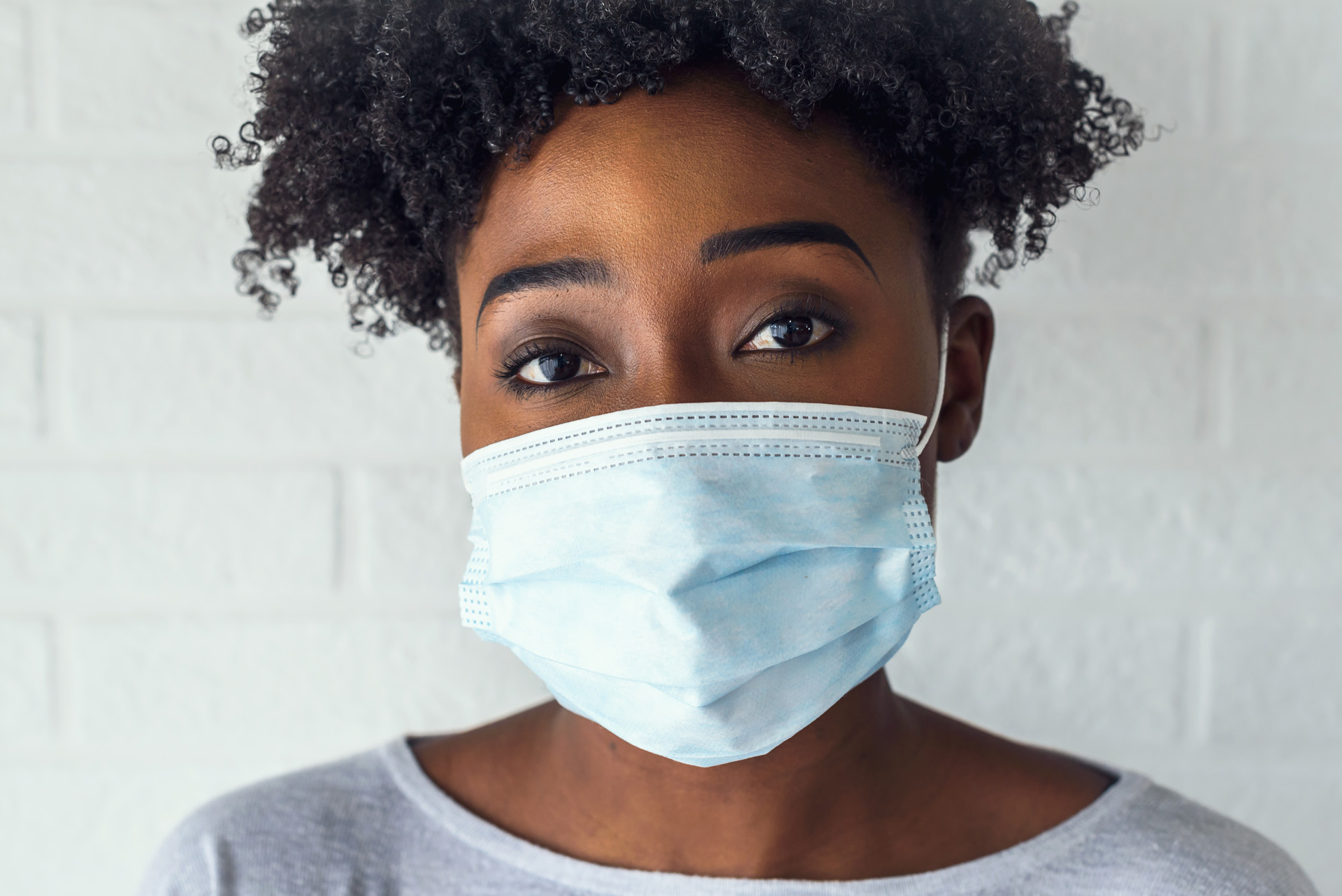
Climate warming and increasing variability influence human health in Florida directly and indirectly through temperature, humidity, precipitation, air quality and the frequency of severe storms. The frequency of extremely high air temperatures is predicted to increase, with the attendant risk of heat stroke, dehydration and cardiovascular and nervous system issues. Higher humidity will increase the heat index and the health risks still further.

LEARN MORE

Climate Adaptation Center

The Climate Adaptation Center Inc. (CAC) is an independent, not-for-profit organization, headquartered in Sarasota, Florida. CAC is a hub for understanding Florida’s evolving climate, exploring synergies among science, business and government to help individuals and businesses to adapt and thrive in a dynamic climate.

Building on a strong interdisciplinary foundation, encompassing climate science, technology development and business strategy, the CAC team filters the daily cascade of science and technology information to build a curated collection of actionable information covering the Florida climate issues.

Articles
July 17, 2026

Climate Reality in 2026: Why the Science Gives Us Both Concern and Hope

The climate future scientists warned about for decades is no longer something on the distant horizon. It is here. This summer has provided another powerful reminder. Persistent heat domes have…
ArticlesGlobal ClimateHuman Health
July 10, 2026

2026 Extreme Heat Hammers The Northern Hemisphere – Part 1

Record Heatwaves. Again.     In the first six months of 2026 the Northern Hemisphere was ravaged by a series of extraordinary heatwaves. At this writing, still more heatwaves are…
Climate Chat
July 3, 2026

America at 250: What Thomas Jefferson’s Weather Journal Tells Us About Our Warming Climate

Can a weather journal from 250 years ago still help us understand our climate today? Yes. Thomas Jefferson's weather journal provides one of America's earliest long-term weather records, giving scientists…

Support the Climate Adaptation Center

CAC is an independent, non-profit organization focused on the unique and evolving challenges arising from Florida’s changing climate. Your support helps CAC explore the intersection of scientific research, business innovation and government resources to help communities recognize and adapt to the changing climate, and to help businesses thrive in the climate economy. We promise to put your contribution to immediate, effective use.

 You Can Make A Difference     

 You Can Make A Difference     

 You Can Make A Difference     

 You Can Make A Difference     

 You Can Make A Difference     

 You Can Make A Difference     

Enough Talk, Let's Build Something Together